The emergence of Tap to Pay in Africa is a symbol of the rapid adoption of digital finance. Especially in Nigeria, where electronic transactions reached ₦295 trillion ($295B+) in the first quarter of 2025 alone, reflecting over 20% year-on-year growth.
Contactless cards aren’t just a western trend; it's gradually becoming the African standard. From the busy streets of Lagos to the shopping marts of Johannesburg, "tap to pay" is reshaping consumer expectations. But for enterprises looking to implement this technology across the continent, understanding the nuances is critical to building a scalable and reliable payment infrastructure.
In this article, you’ll learn how tap to pay works, its market regulations, and how to choose the right card issuer for your business.
What is Tap to Pay?
At its core, tap to pay is a contactless method for customers to complete purchases. Instead of swiping or inserting a card, consumers simply hold their card, smartphone, or wearable device near a payment terminal. The magic behind this convenience is Near-Field Communication (NFC) , a short-range wireless technology that allows two devices (like a card and a terminal) to communicate securely when they are just a few centimeters apart.
It’s helpful to distinguish between the common terms:
- Tap to Pay refers to the process a consumer follows to complete a payment transaction.
- Contactless payment is the broader category of payments that don't require physical contact.
- NFC is the underlying technology that powers the tap.
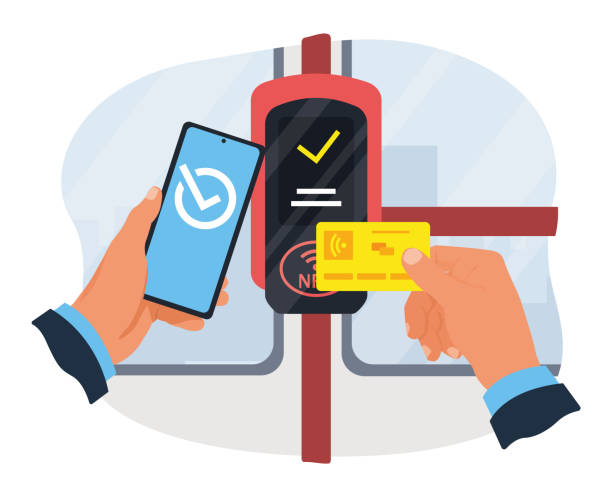
The Three Primary Modalities of Tap to Pay
In the African market, enterprises must be equipped to handle three common ways customers tap to pay.
1. Contactless Cards
These are traditional debit or credit cards embedded with an NFC chip and antenna, that replaces the magnetic stripe or chip insertion with a simple tap.
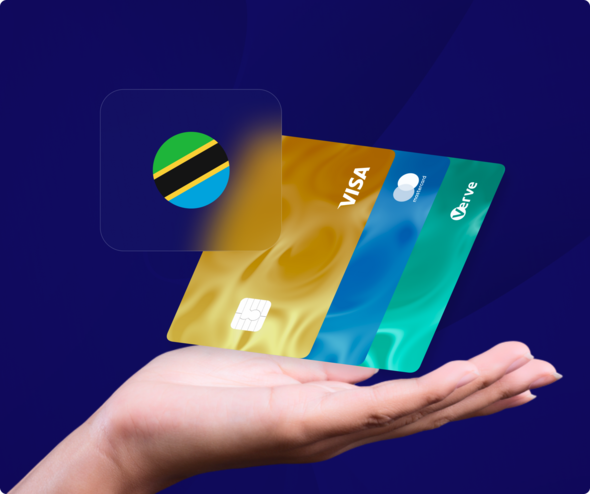
As of early 2026, the Central Bank of Nigeria reported over 12 million contactless cards in circulation nationwide. Regionally, major African payment brands like Verve have issued more than 30 million contactless cards, with additional adoption growing steadily across other financial institutions
2. Mobile Wallets (Smartphones)
Smartphones have become the central hub for modern life, and payments are no exception. Major mobile wallets like Apple Pay, Google Pay, and Samsung Pay allow customers to load their card information securely onto their devices. Currently, there are over 1 billion registered mobile money wallets in Africa, accounting for roughly 53% of all mobile money wallets worldwide and over 70% of the total global transaction value.
3. Wearable Payments
Although this method isn’t popular in Africa, NFC-enabled smartwatches (Apple Watch, Samsung Galaxy Watch), fitness trackers (Garmin Pay, Fitbit Pay), and even payment rings and wristbands are gaining traction worldwide. The global market for these devices is projected to reach $82 billion by 2026, and they offer a frictionless experience for consumers who prefer not to pull out a phone or card.
Regulations & Use Cases of Tap to Pay in Africa
For enterprises building on Miden's infrastructure, navigating local regulations is as important as understanding the technology itself. The regulatory environment across Africa continues to evolve to encourage and secure contactless adoption.
- South Africa leads adoption, with over 50% of urban card transactions now NFC enabled. Contactless payments at fuel stations and Quick Service Restaurants (QSRs) grew from 42% in 2023 to 53% in 2024.
- In Nigeria, CBN guidelines limit single transactions to ₦15,000 and daily transactions to ₦50,000. Transactions above the limit require PIN/biometric verification and must route through NIBSS. Despite limits, contactless payment still holds a large user share in public transportation via Cowrywise's NFC cards.
- Kenya & East Africa’s contactless standards are integrating with established mobile money ecosystems like M-Pesa, creating hybrid payment models unique to the region.
- Morocco and Ivory Coast have digitized over 20,000 neighborhood shops respectively, equipping street vendors with NFC payment tools.
Barriers and Challenges
Even with the promise of quicker and safer transactions, Africa is still a long way from full adoption and here are some reasons:
- Hardware Constraints: Currently, only about 24%–25% of the Sub-Saharan African population actually owns an NFC enabled smartphone. This makes tap to pay integration very difficult to achieve.
- Connectivity Issues: The prevalence of network downtime and unstable power supply which affects both user and merchant, reduces the possibilities of contactless payments.
- Low Trust and Awareness: User trust remains a key hurdle for contactless adoption, with many customers preferring the familiarity of traditional payment methods.
How Miden Provides Corporate Cards For Enterprises
Building a financial product that seamlessly supports all these modalities requires stitching together various infrastructure. One provider for card issuance, another for mobile wallets, another for compliance.
Miden simplifies this. Our platform powers card issuing, accruals, disbursements, and global payments—all through a single API integration.
With Miden Tap-to-Pay, your business can immediately enable contactless payments without managing multiple providers. Our Tap to pay is:
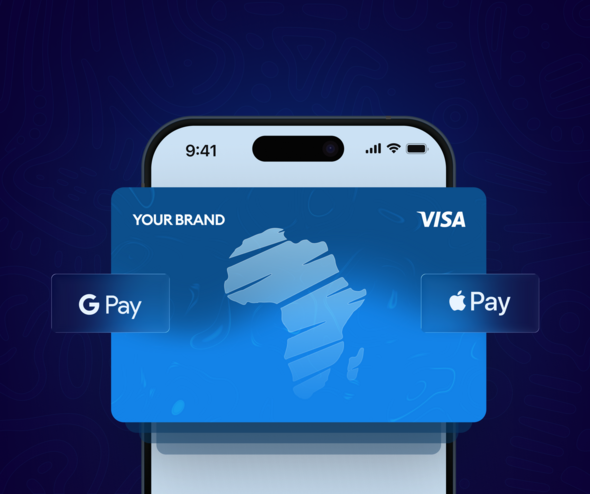
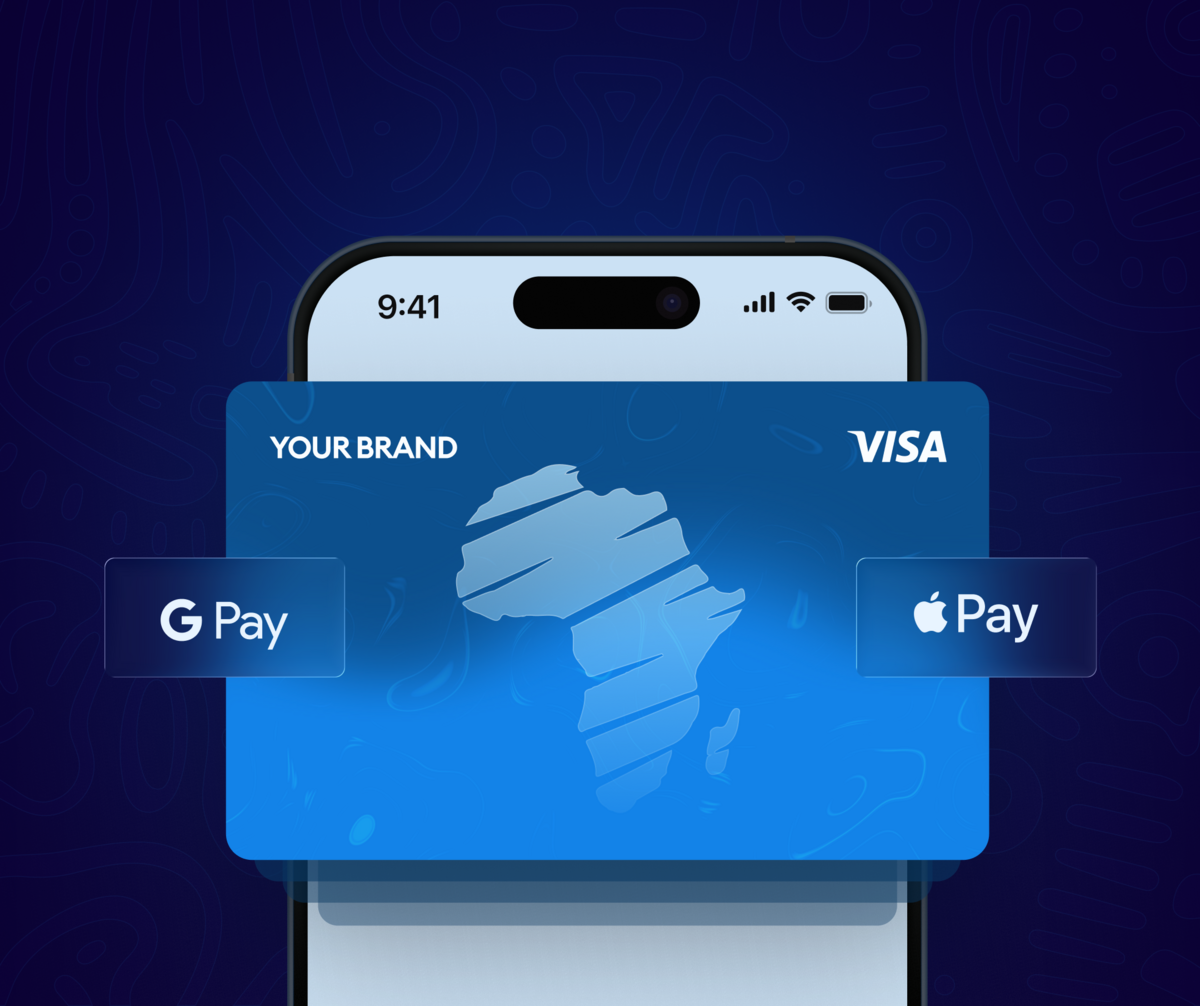
- Enabled for Apple Pay, Google Pay, and Samsung Pay.
- Built on the tokenization principles that keep the PAN out of the payment flow. The card networks generate a device-specific token that replaces the PAN for every transaction.
- Equipped to handle unforeseen events. If a user loses their phone, they simply log in on a new device, and the card reconstitutes itself, reducing support tickets and ensuring a positive end-user experience.
For African enterprises searching for cross-border market opportunities, the possibilities are endless. Contactless payments are the future, and with Miden as your infrastructure partner, you can scale above competitors, and build for whatever comes next.
To get started, new businesses can reach out to our sales team to be onboarded while existing customers can upgrade their card programs directly from the Miden dashboard.