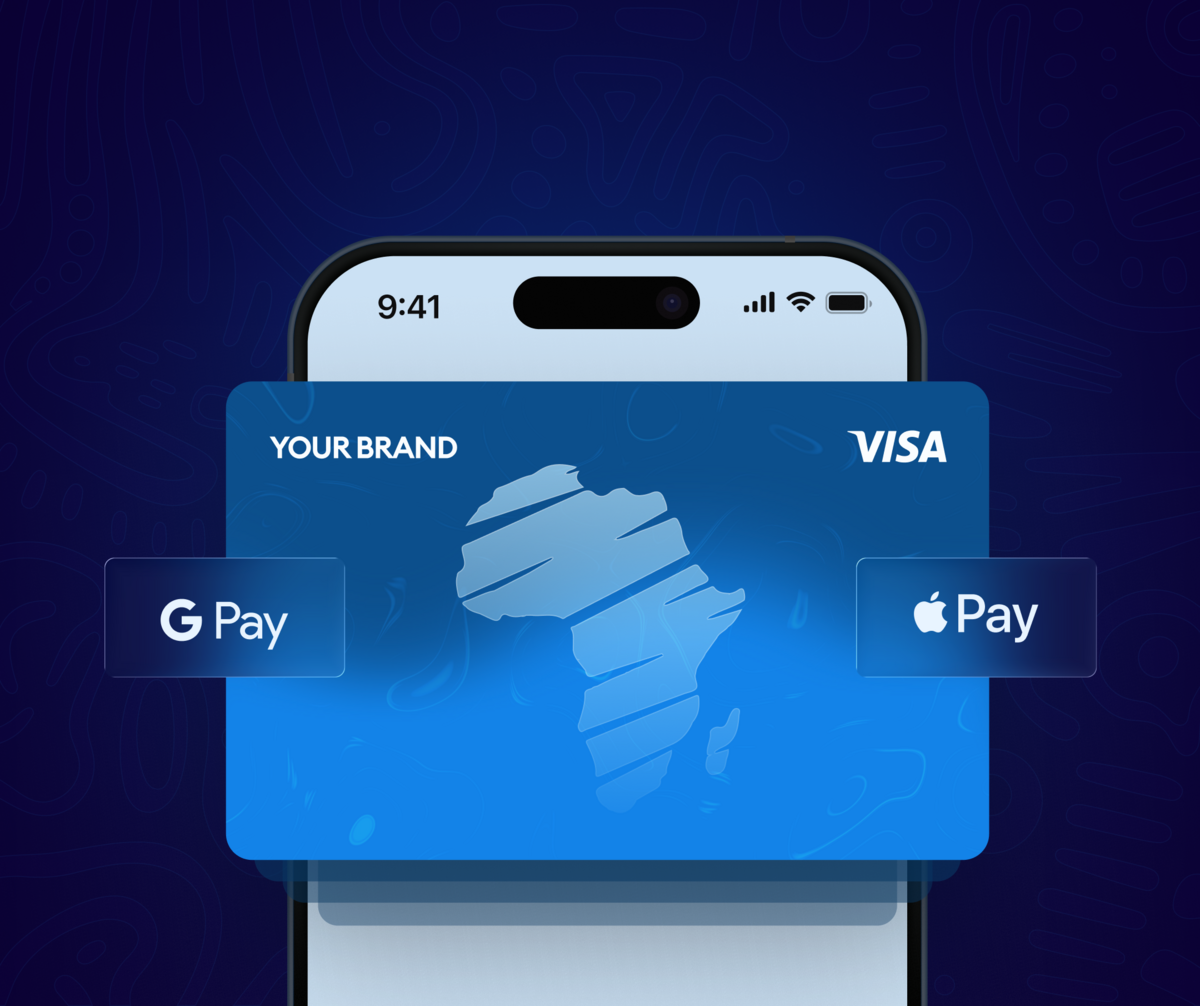
Managing company spending gets harder as a business grows.
Which is why more businesses are moving from shared physical cards to corporate virtual cards.
The best corporate virtual card providers now offer much more than a digital card number. They give businesses spending limits, merchant controls, instant card issuance, transaction tracking, multi-currency payments and better control over employee expenses.
So which provider should you choose?
Here are five of the best corporate virtual card providers for businesses in 2026, based on card controls, international payments, expense management, card issuance, geographic coverage and business use cases.
What are corporate virtual cards?
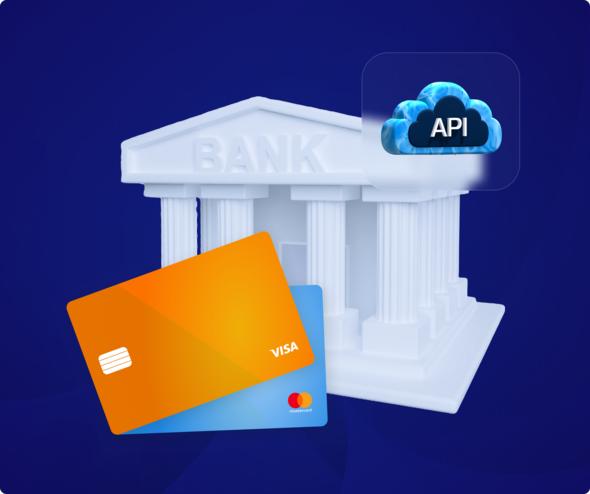
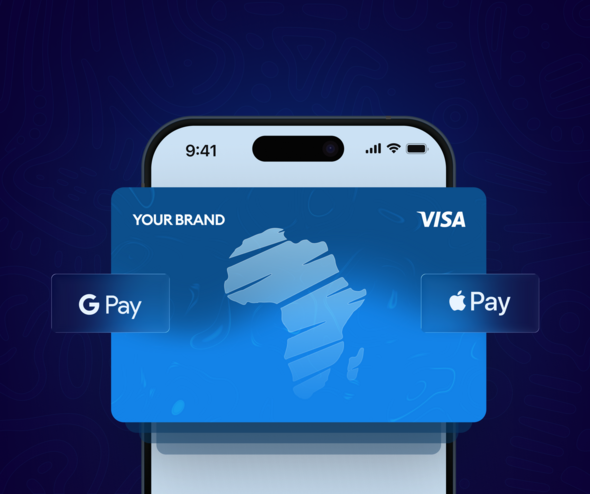
A corporate virtual card is a digital payment card created for business spending. It has its own card number, expiry date and security code, but it does not require a physical card.
Businesses can issue virtual cards to employees, teams or vendors and control how each card is used.
For example, a company could create a vendor-specific card with a fixed spending limit or a single-use card for a one-time purchase.
This gives finance teams more control than sharing one company card across several employees.
Virtual card use is also growing as digital payments expand across Africa. Mastercard reported that its payment acceptance network across Africa grew by 45% in 2025. The company expects Africa's wider digital payments economy to reach $1.5 trillion by 2030.
For businesses, the appeal is simple: faster card access, tighter spending controls and clearer visibility into company expenses.
What are the best corporate virtual card providers in 2026?
The right option depends on where your company is registered, which currencies you spend in and whether you need simple employee cards or the infrastructure to run a larger card program.
| Provider | Best for | Key strength |
|---|---|---|
| Miden | African businesses, enterprises and companies building card programs | Configurable card issuing and spend controls |
| Flutterwave | African businesses that need virtual and physical card issuing | USD and Naira card issuing |
| Ramp | US businesses focused on expense management | Employee and vendor spend controls |
| Brex | US-incorporated companies with distributed teams | Corporate cards connected to spend management |
| Wise Business | Businesses making frequent international payments | Multi-currency business spending |
1. Miden
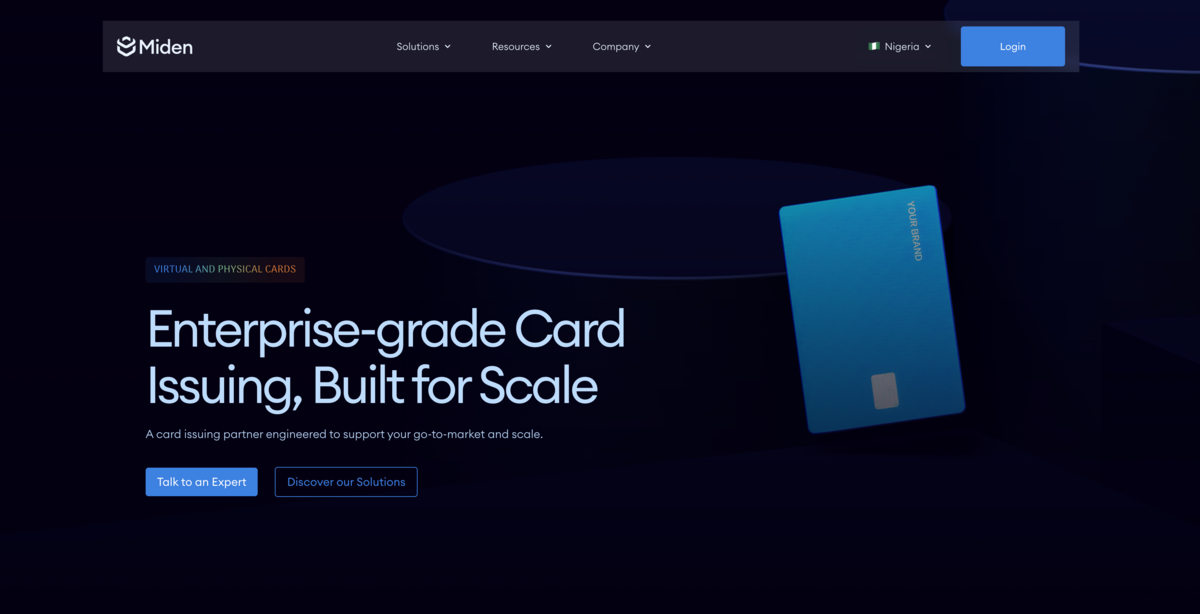
Best for: Businesses that need configurable virtual card issuing, especially across Africa and emerging markets.
Miden is an API - first infrastructure that enables businesses to issue, manage and monitor virtual and physical visa card programs at scale from one platform.
Businesses can create USD, NGN and multi-currency cards, issue virtual cards instantly and manage card activity through APIs. Miden also supports card limits, merchant category controls and other transaction rules.
Its card issuing solution is one of 5 payment stack layers which include: Global treasury, Banking stack, Core Banking, Accrual & Disbursements.
This makes Miden a sure choice for companies that desire stability and stronger visibility over all payment operations across markets.
Key features:
- USD, NGN and multi-currency cards
- Virtual and physical card issuing
- Merchant category restrictions
- Card spending limits
- Real-time transaction monitoring
- API-first card integration
- Card lifecycle management
- Fraud monitoring
Who should consider Miden?
Miden is a strong fit for enterprises, fintechs, banks and travel payment businesses that want to manage company spending or build their own card program without bearing the issuing infrastructure themselves.
2. Flutterwave
Best for: African businesses that want virtual cards, physical cards and employee spend management.
Flutterwave Issuing allows businesses to create and manage physical and virtual cards through its dashboard or APIs.
Businesses can instantly create virtual USD and Naira cards and define controls around how much can be loaded or spent and where cards can be used.
Flutterwave also provides physical Naira cards and card management tools for SMEs, fintechs, large companies and multinational businesses.
Key features:
- Virtual USD cards
- Virtual Naira cards
- Physical Naira cards
- API-based card issuing
- Employee expense management
- Spending controls
Who should consider Flutterwave?
Flutterwave's business spend management tools can also be used to control employee expenses such as per diems and company benefits.
3. Ramp
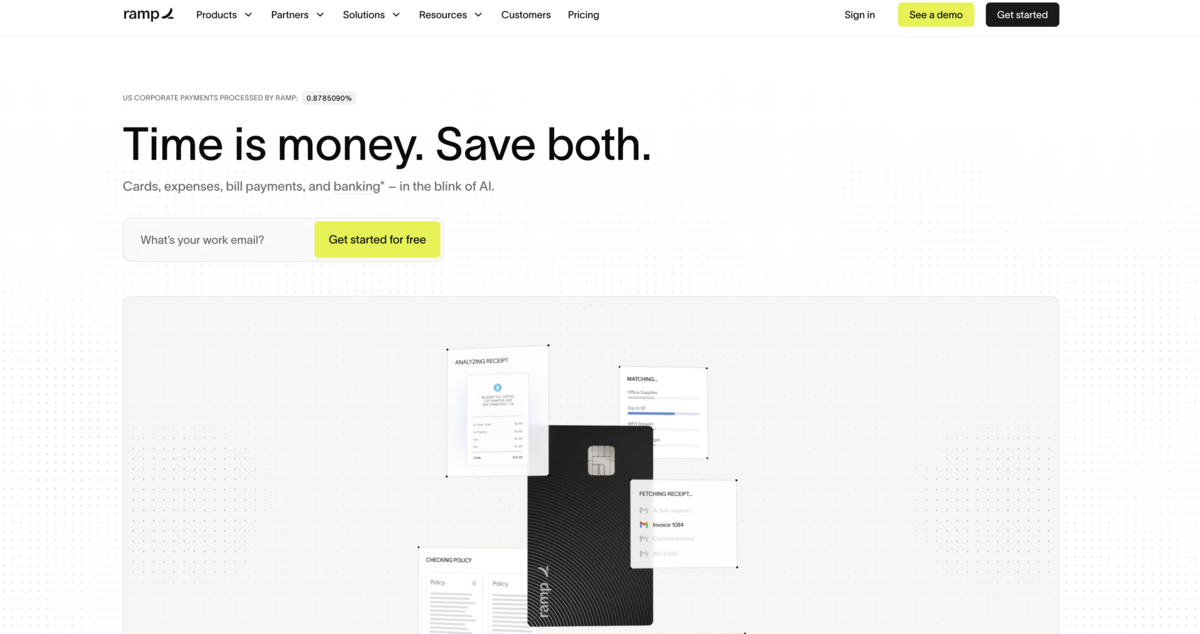
Best for: US businesses that want virtual cards and expense management in one system.
Ramp lets businesses instantly create virtual cards for employees, vendors, subscriptions and other company expenses.
Finance teams can set transaction, daily or monthly limits, restrict cards to specific vendors or merchant categories, set expiry dates and create single-use cards.
Ramp also connects card spending with approval policies, receipts, accounting and expense reporting, making it useful for finance teams trying to manage the full company spend process.
Key features:
- Instant virtual cards
- Vendor-specific cards
- Employee expense cards
- Merchant restrictions
- Single-use cards
- Spend limits
- Accounting integrations
- Expense management
Who should consider Ramp?
Ramp is mainly a US option. Businesses applying for Ramp must generally be registered in the United States, maintain a US physical business address and meet its eligibility requirements.
4. Brex
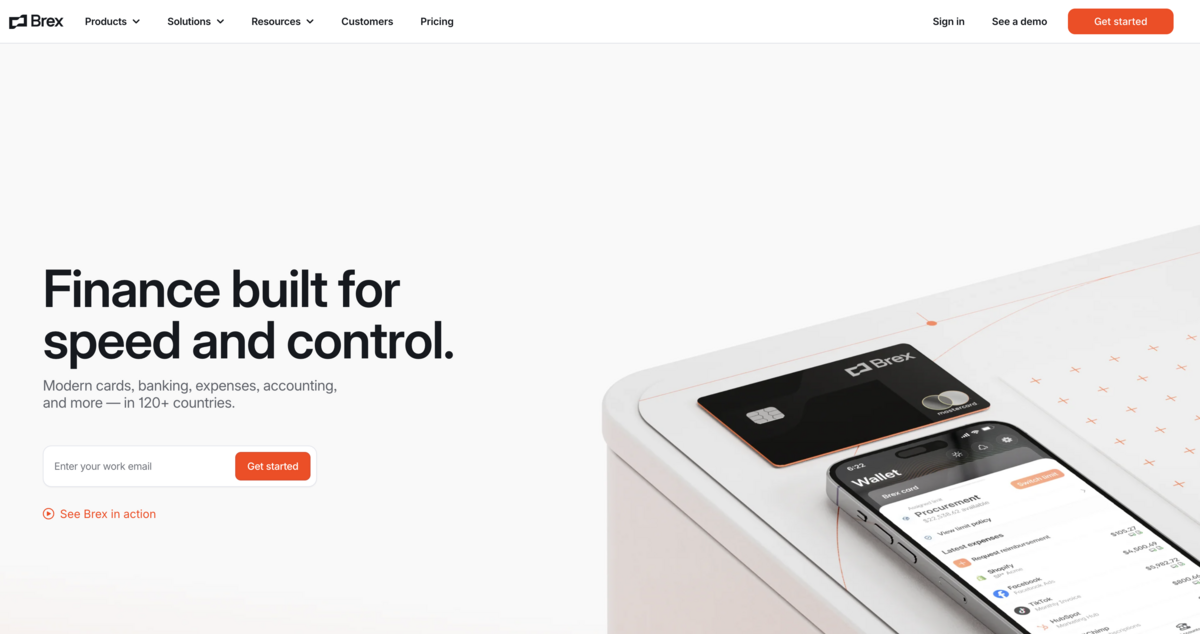
Best for: US-incorporated businesses managing employee and operational spending.
Brex combines corporate cards with expense management, budgets and spending policies.
Businesses can issue virtual employee cards and purchasing cards, then connect them to specific spend limits. Admins can also restrict merchants or merchant categories and set maximum transaction amounts.
Brex is particularly useful for businesses that want employee cards, vendor payments, expense approvals and accounting controls within the same system.
Key features:
- Virtual employee cards
- Purchasing cards
- Spend limits
- Merchant restrictions
- Expense policies
- Vendor payments
- Accounting controls
- International card usage
Who should consider Brex?
Brex currently requires businesses applying for its services to be organised and registered in the United States.
5. Wise Business
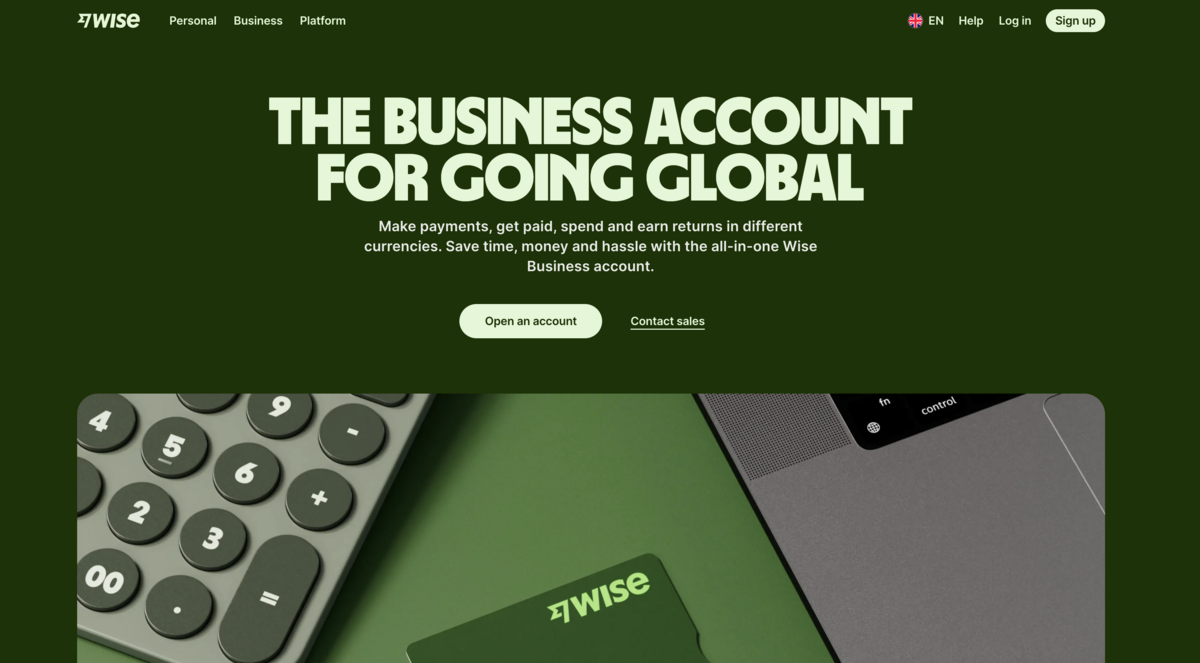
Best for: Businesses that regularly spend and travel or pay internationally.
Wise Business is best known for international transfers, but its business account also includes physical and digital cards in supported countries.
Businesses can use Wise cards for expenses in multiple currencies, while each eligible team member can hold up to three digital cards. Wise says its business card can be used in more than 160 countries and supports spending across 40 currencies.
Key features:
- Digital business cards
- Multi-currency spending
- Cards for team members
- International payments
- Spending notifications
- Currency conversion
- Expense management
Who should consider Wise?
Wise is especially useful when foreign currency payments are the main problem. However, business card availability remains country-dependent, and Wise Business cards are not currently available to businesses registered in many African countries.
What are the benefits of corporate virtual cards?
Corporate virtual cards give businesses more control over how company money is spent.
- 1. Better employee spending controls: Instead of giving employees unrestricted access to a shared company card, businesses can create separate cards and assign specific limits.
- 2. Safer online payments: Each virtual card can have its own card details. If one card is exposed, the company can freeze or replace it without affecting other company payments.
- 3. Easier expense tracking: Separate cards can be created for teams, employees, subscriptions or suppliers, making it easier to identify where company money is going.
- 4. Faster card issuance: Virtual cards can often be created within seconds instead of waiting for a physical card to arrive.
- 5. Better control over subscriptions: Businesses can assign individual cards to tools such as AWS, HubSpot, Google Ads or other recurring services. If a subscription is cancelled, the company can close that specific card.
How do you choose the right corporate virtual card provider?
The best provider depends on what problem your business is trying to solve.
So here are five questions to help you choose the right provider for your business:
✅ Which location is the service available?
A provider may offer excellent cards but not support businesses registered in your country.
✅ Which currencies do you need?
Businesses making international payments should compare supported currencies, FX rates and international transaction fees.
✅ How much spending control do you need?
Look for transaction limits, daily or monthly limits, merchant restrictions and the ability to freeze cards quickly.
✅ Do you need cards or card issuing infrastructure?
A company that simply wants ten employee cards has different requirements from a fintech, bank or enterprise that wants to issue hundreds or thousands of branded cards.
✅ Can the cards connect to your existing systems?
Larger businesses should consider APIs, accounting integrations, reporting and approval processes.
Frequently Asked Questions (FAQs)
What is the best corporate virtual card provider?
There is no single provider that is best for every company. Miden is a strong option for businesses that need all round financial visibility across operating markets, while Airwallex and Wise focus heavily on international payments. Ramp and Brex are strong options for eligible US companies that want cards connected to expense management.
Are corporate virtual cards safe?
Yes. Virtual cards can reduce the need to share one physical card number across employees or online services. Businesses can also use spending limits, merchant restrictions and card freezing to reduce unwanted transactions.
Can companies issue virtual cards to employees?
Yes. Many corporate card providers allow businesses to issue separate virtual cards to individual employees, departments or specific business expenses.
Can virtual corporate cards be used internationally?
Many can, but international availability, currencies and fees vary by provider. Businesses should check supported countries, currencies and FX charges before choosing a card.
Can businesses control where a virtual card is used?
Yes. Some providers allow businesses to control transaction limits, merchant categories, specific merchants and other card settings.
Does Paystack offer corporate virtual cards?
As of September 2026, Paystack does not publicly list corporate virtual card issuance as part of its product offering.
Its Virtual Terminal should also not be confused with a virtual card.
Paystack Virtual Terminal is a hardware-free product that lets businesses accept in-person payments using a QR code. It does not issue a virtual payment card to the business or its employees.
Businesses specifically looking to create corporate virtual cards should therefore compare card issuing platforms such as Miden, Flutterwave or Sudo instead.
Which corporate virtual card provider should your business choose?
The best corporate virtual card provider is the one that matches how your business spends money.
If you mainly need international payments, multi-currency support should be high on your list. If employee expenses are the problem, focus on spend controls, approvals and accounting. If you need to issue cards at scale, APIs, card lifecycle management and program controls matter much more.
For businesses that want to create and manage virtual card programs while controlling how cards are funded, issued and used, Miden provides card issuing infrastructure for both simple corporate spending and larger card programs.
With virtual and physical card issuing, multi-currency support, spend controls, APIs and card management from one platform, businesses can build a card setup that fits how they actually operate.
Visit miden.co today to talk with our sales team.